
Korean · Semiconductors
Ji-hoon Park, Korean Technical Translator
Ji-hoon Park is a Korean technical translator with 13 years of specialization in semiconductors, batteries, and displays. He learned the vocabulary the hard way, building and testing the equipment before ever translating a manual about it.
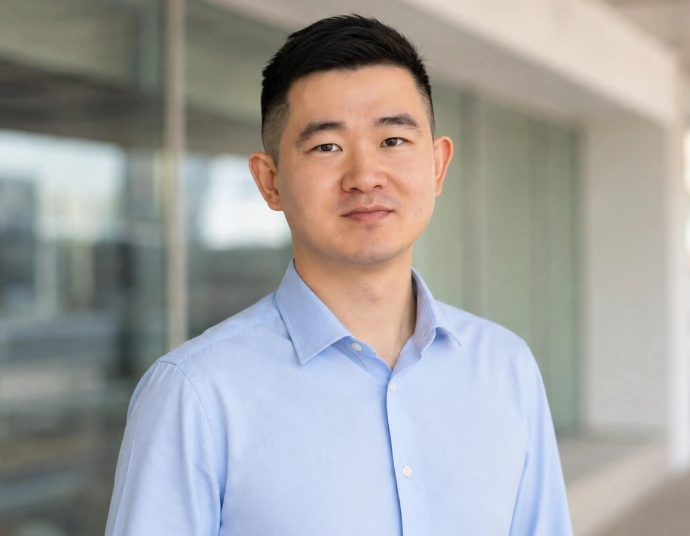
Ji-hoon spent his first career inside a semiconductor equipment maker, testing the very tools his translations now document.
IQ/OQ/PQ protocols carry acceptance criteria that auditors read twice. He translates them so both readings agree.
Daily bidirectional document flows across the Korea-US time gap, with fixed delivery windows your site can plan around.
From equipment engineering to Korean technical translation
Ji-hoon studied electronic engineering at KAIST and joined a Korean maker of semiconductor production equipment straight out of school. His job sat between the fab and the factory: writing acceptance test procedures, supporting installations at customer sites, and fielding the questions operators asked when the manual failed them.
Those overseas installations changed his career. Tools shipped to American fabs with documentation translated by generalists, and Ji-hoon watched field engineers rewrite whole sections by hand during commissioning. He started fixing the Korean and the English himself, discovered he was better at it than anyone the vendor hired, and moved into translation full time in 2013.
Cleanroom SOPs, IQ/OQ/PQ protocols, and equipment manuals
Thirteen years later, his workload splits across electronics and semiconductor clients, battery and energy storage projects, and display manufacturing. The documents share one trait he takes seriously: somebody follows them step by step while wearing cleanroom gloves. A gowning SOP that reorders two steps contaminates a lot. An OQ protocol with a mistranslated acceptance criterion invalidates a qualification run.
His core documents are cleanroom standard operating procedures, equipment operation and maintenance manuals, IQ/OQ/PQ validation protocols, and anything built around KS standard references. For cell makers and energy storage integrators he translates commissioning procedures and process safety documents, a stream of work that has grown steadily as Korean battery manufacturers open US plants.
A catch worth the fee. On one ESS project, Ji-hoon noticed the English master protocol listed torque values in newton meters while the Korean vendor drawings used kilogram-force centimeters, and one conversion was wrong. He flagged it on the query sheet before validation began. The client corrected both documents and asked him to audit every numeric value in the package.
At a glance
| Profile | Detail |
|---|---|
| Language pair | English ↔ Korean (native Korean speaker) |
| Degree | BS Electronic Engineering, KAIST |
| Years translating | 13 |
| Sectors | Semiconductors, batteries & ESS, displays |
| Document focus | Cleanroom SOPs, equipment manuals, IQ/OQ/PQ protocols, KS-standard references |
| Qualification | Vetted under our ISO 17100-compliant linguist standard |
| Tools | Trados Studio, memoQ, Xbench, HMI string export utilities |
How Ji-hoon runs a project
Terminology comes first. Before touching a manual set, he builds a termbase from the client's existing Korean material, the applicable KS and IEC references, and the site's own naming conventions, then sends it for approval. Questions go on a structured query sheet instead of trickling in by email. Every deliverable passes through an independent second Korean linguist before it reaches the client, and Ji-hoon returns the favor as reviser on his colleagues' projects. Details on his pair are on our Korean technical translation page.
He keeps early hours that overlap both Korean vendors and US Central time. During a plant ramp, when documents arrive daily and a 24-hour turnaround decides whether a schedule holds, that overlap is worth more than any software.
Work with Ji-hoon
If your fab, cell plant, or display line runs on documents that move between English and Korean, send them over. Request a free quote and mention Ji-hoon by name, or browse the whole team to compare profiles first. Itemized pricing arrives within one business hour.
Questions About Working With Ji-hoon
How does Ji-hoon handle KS standard references?
KS designations stay exactly as published, because that is what Korean auditors and equipment engineers look up. When a matching IEC or ISO standard exists, he can add it in brackets so the document also works for US readers. He keeps a per-client cross-reference list so the treatment stays identical across every manual and protocol.
Does he translate from Korean into English?
Yes. Vendor manuals, test reports, and commissioning records arriving from Korea make up a large share of his workload. He prepares the English draft, and a native English technical editor revises it before delivery, in line with our two-linguist process.
Can he support daily deliveries during a plant ramp-up?
That rhythm is familiar ground. On a recent battery plant engagement he delivered translated commissioning documents at a fixed hour each day for four months, with short items turned around inside 24 hours.
Does he cover display manufacturing as well as semiconductors?
Yes. OLED and LCD lines share much of the same cleanroom and equipment vocabulary, and he has translated deposition, photolithography, and inspection documentation for display makers since the start of his translation career.